


Hemkund Sahib Trek: A Spiritual Journey Through Alpine Landscapes
At an elevation of 4632 meters in the Garhwal Himalayas, Hemkund Sahib is one of the highest Sikh pilgrimage sites on earth. This is not simply a hiking excursion; “Hemkund Sahib” is the culmination of a spiritual journey hundreds of people take each year, from May to October, when the path remains accessible.
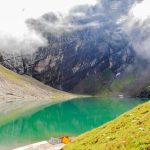
The Gurudwara sits next to a glacial lake, framed by seven snow-covered mountains, creating scenery that seems otherworldly. Whether you are a devotee seeking blessings or a hiker enjoying the beauty of the mountain, Hemkund Sahib will give you an experience that will live with you forever. What makes this trek so special is that it combines the physical challenge of climbing the mountain with spiritual rewards.
The Spiritual Significance
Guru Gobind Singh, the tenth Guru, described how he did “anga” (meditation) at this lake in one of his writings. Therefore, Hemkund Sahib has deep significance for Sikhs around the world. The Gurudwara located by the lake is open to all pilgrims who have climbed this challenging mountain in search of blessings from the Guru.
The atmosphere around the lake carries this profound sense of peace despite the crowds during peak season. Pilgrims take holy dips in the freezing glacial water as part of their spiritual practice. Even if you’re not religious, the devotion you witness here feels genuinely powerful and moving.
What the Trek Involves
The trek starts from Govindghat, a small town that serves as the base for both the Hemkund Sahib and Valley of Flowers treks. From there, you drive or trek 13 kilometres to Ghangaria, the last village before Hemkund. Most trekkers stay overnight in Ghangaria before tackling the final 6-kilometre climb to the gurudwara.
That final stretch gains about 1,000 metres in altitude, which makes it properly challenging. The trail zigzags up steep mountainsides with the landscape opening up into alpine meadows dotted with wildflowers. Snow patches remain even in summer months, and the air gets noticeably thinner as you climb higher.
The lake itself sits in a natural amphitheatre of mountains with the gurudwara on its banks. On clear days, the reflection of peaks in the still water creates scenes that feel almost spiritual, regardless of your beliefs.
Timing Your Visit
The trek opens only from late May to early October when the snow melts enough to make the trail accessible. June and September offer the best conditions with fewer crowds than peak July-August. Post-monsoon September brings clearer skies, though temperatures drop significantly, especially at night.
Physical fitness matters here because of the altitude and steep sections. Acclimatisation helps, so spending a night in Ghangaria before the final climb makes sense for most trekkers.
Where to Base Yourself
Govindghat serves as the starting point where most trekkers organise permits and supplies before heading up. Hotels in Govindghat range from basic lodges to comfortable guesthouses that cater specifically to pilgrims and trekkers. Staying here the night before starting lets you begin early and make good progress to Ghangaria.
Ghangaria has accommodation too, though options fill up quickly during peak season. Many hotels in Govindghat can arrange the entire trek, including guides, porters, and advance bookings in Ghangaria if needed.
Why Make the Journey
Hemkund Sahib combines spiritual significance with genuine high-altitude trekking through landscapes that showcase the Himalayas at their finest. The sense of accomplishment of reaching that sacred lake at over 4,600 metres stays with you. Whether seeking spiritual blessings or mountain adventures, this trek delivers both in proper measure.